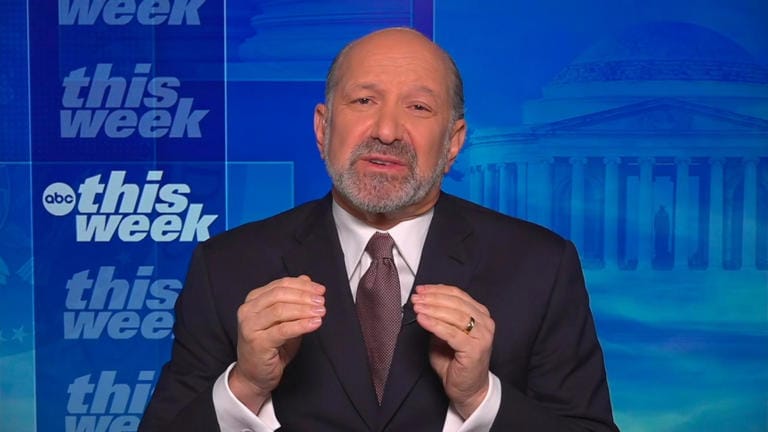
In a striking announcement on Sunday, Commerce Secretary Howard Lutnick clarified that the recent exemption of various electronic devices from newly imposed tariffs is merely a short-term pause. Speaking on ABC’s “This Week” with co-anchor Jonathan Karl, Lutnick revealed that these products—spanning smartphones, computers, solar cells, flat-panel displays, and semiconductor storage devices—will soon face specialized “semiconductor tariffs” within the next one to two months. This move underscores the Trump administration’s aggressive strategy to bolster domestic manufacturing.
Lutnick emphasized the urgency of reshoring critical industries, stating, “We need semiconductors, chips, and flat panels produced right here in America. Relying on Southeast Asia for these essentials is no longer viable.” The exemption, outlined in a U.S. Customs and Border Protection notice late Friday, temporarily shields these items from the broad 10% global tariff and the steep duties on Chinese imports rolled out since April 2. However, Lutnick stressed that this reprieve is strategic, not permanent, paving the way for targeted tariffs to incentivize local production.
The administration’s plan extends beyond electronics, with Lutnick highlighting a parallel focus on the pharmaceutical sector. “We’re crafting a tariff framework to encourage both the semiconductor and pharma industries to bring operations stateside,” he explained. This approach, he argued, addresses national security concerns, ensuring the U.S. isn’t overly dependent on foreign supply chains for vital goods. “These aren’t items up for negotiation with other nations—they’re non-negotiable priorities for American self-sufficiency,” Lutnick asserted.
The announcement reflects President Trump’s broader trade agenda, which seeks to recalibrate global economic reliance while fostering domestic industry growth. While the temporary exemption offers immediate relief to consumers and businesses, the looming semiconductor tariffs signal a contentious shift that could reshape international trade dynamics in the coming months.