Elon Musk’s Hypocrisy Deepens: Following Alex Soros on X While Attacking George Soros
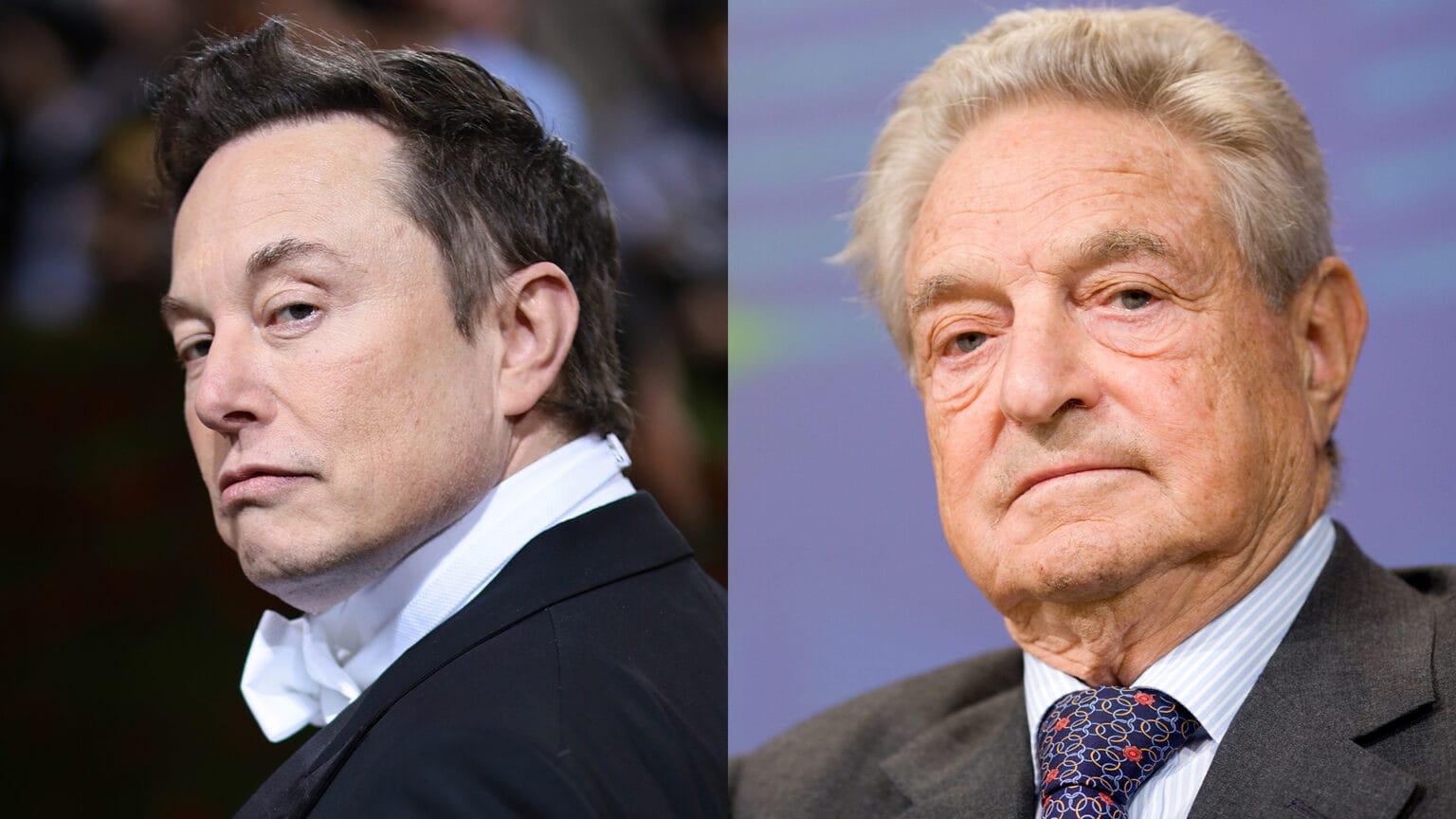
Elon Musk, the billionaire CEO of Tesla and SpaceX, has once again found himself at the center of controversy. After publicly targeting Democrats for their associations with George Soros, Musk has now begun following Alex Soros, George Soros’ son, on his social media platform, X (formerly Twitter). This move comes as Musk cites “reaching across the aisle” as a reason for many brands resuming their ad campaigns on X after a period of boycotts. In this article, we’ll delve into Musk’s contradictory actions, analyze his ties to the Soros family, and explore the implications of his politically charged statements.

Analyzing Trump’s Statement: “China and Japan Cannot Lower Their Currency” – A Move Toward Dedollarisation?

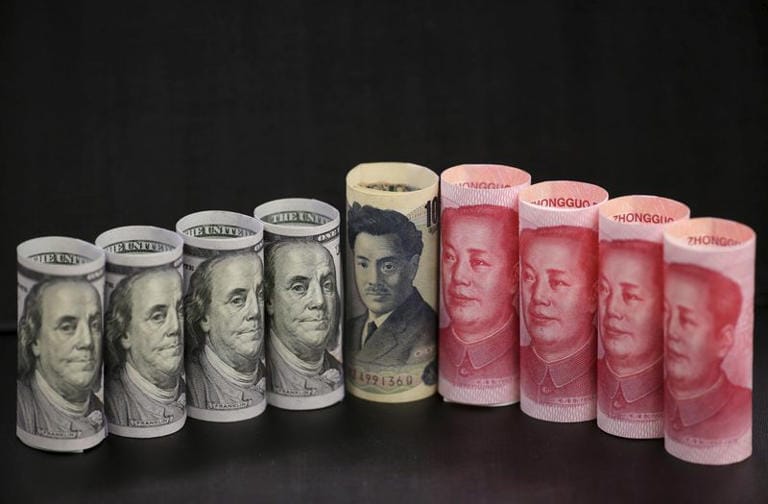
Former US President Donald Trump’s statement, “China and Japan cannot lower their currency,” has sparked significant debate about the future of global trade, currency manipulation, and the role of the US dollar in the international economy. This statement, while seemingly focused on currency valuation, carries deeper implications. It suggests a potential shift toward dedollarisation, heavy taxation on foreign earnings from US dollar assets, and a push for countries like China and Japan to buy American goods instead of holding US Treasury securities. In this article, we’ll analyze Trump’s statement, its potential impact on global trade, and how it aligns with broader trends like dedollarisation and the rise of BRICS+.

Analysis of US Treasury Secretary About the Need to “Re-Privatize” the US Economy

The US economy has long been a global powerhouse, driven by a mix of private enterprise and government intervention. However, recent statements by the US Treasury Secretary about the need to “re-privatize” the US economy have sparked intense debate. This article delves into the implications of this statement, exploring what it means for the private … Read more

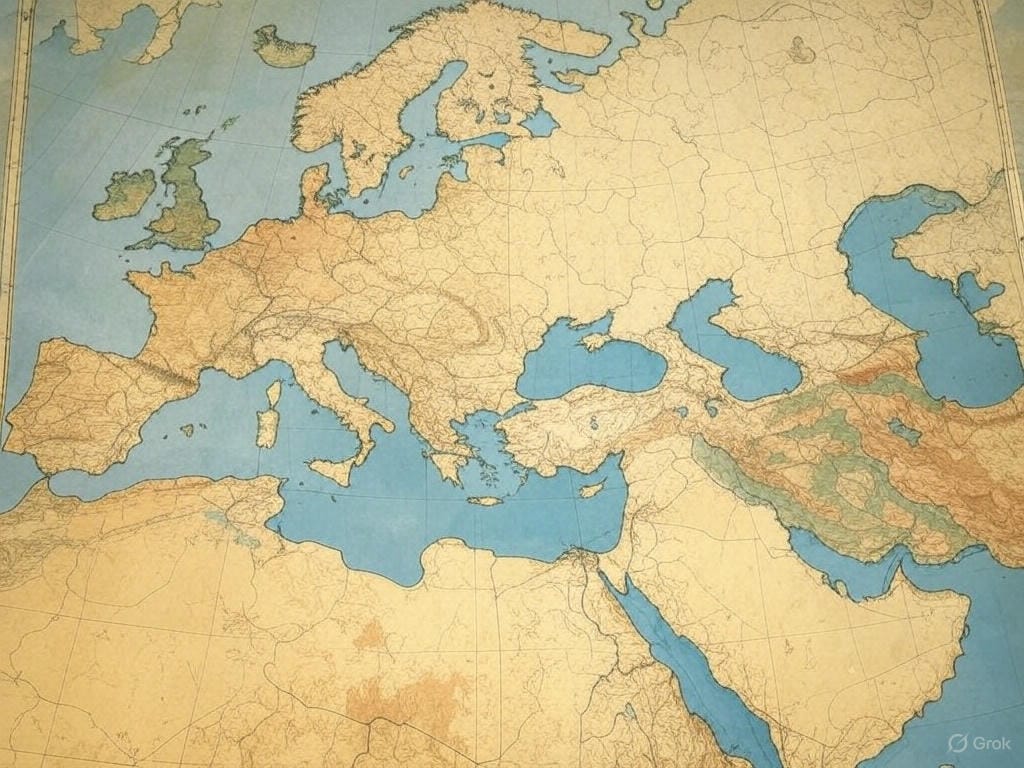
Why Europe’s Problems Are Not the World’s Problems—But Their Solutions Could Be

The idea that “Europe’s problems are not the world’s problems, but rather the world’s solutions” challenges the traditional Western-centric narrative that global stability depends on solving Europe’s crises. Here’s why: 1. Europe’s Decline Creates Space for Global Multipolarity For centuries, Europe dominated global politics, economics, and culture, often dictating terms to other nations. However, as … Read more

Why Calling Homemakers “Non-Working” is a Big Mistake?

In today’s fast-paced world, homemaking is often overlooked in the Western work culture, where only corporate jobs are considered valuable. But the truth is, homemakers play a crucial role in shaping strong families, preserving traditional values, and driving real economic growth. The GDP myth fails to recognize their contributions, pushing women into the workforce while devaluing the power of homemakers. It’s time to challenge the work-life balance narrative and acknowledge that strong families build strong nations.

This article breaks down why the modern economic model ignores homemaking and how true work value lies beyond paychecks.

Why There is No Such Thing as “Western Civilization” or “European Civilization” ?

The idea of a singular “Western Civilization” or “European Civilization” is a myth—a constructed narrative that oversimplifies the complex, interconnected history of humanity. These terms suggest a unified, linear progression of culture, values, and achievements, but the reality is far more nuanced. Europe and the so-called “West” have always been shaped by diverse influences, from ancient Mesopotamia and Egypt to the Islamic Golden Age and beyond. The Renaissance, often hailed as a pinnacle of Western achievement, was deeply indebted to the knowledge preserved and advanced by Arab scholars. Similarly, the Industrial Revolution was fueled by global trade and resources, not just European ingenuity. By labeling these developments as “Western” or “European,” we erase the contributions of countless cultures and civilizations that have shaped the world. True history is a tapestry of shared ideas, migrations, and exchanges—not a story of isolated, superior civilizations. It’s time to move beyond these outdated labels and embrace a more inclusive understanding of our collective past.