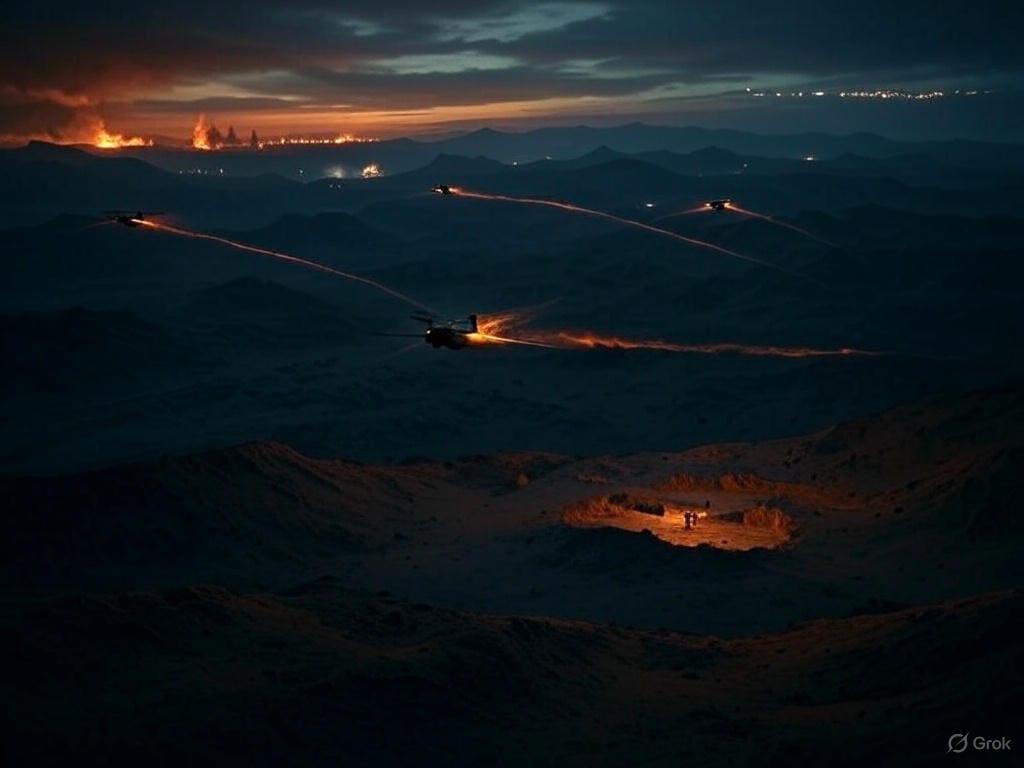
On May 8, 2025, India reportedly launched a series of drone strikes targeting Pakistani air defense systems, marking a significant escalation in the ongoing conflict between the two nuclear-armed neighbors. These strikes, which followed India’s Operation Sindoor on May 7, 2025, were a response to heightened tensions stemming from a terrorist attack in Pahalgam, Jammu and Kashmir, on April 22, 2025. The operation and subsequent drone activities have drawn international attention, with both nations trading accusations of aggression and reporting civilian casualties. This article synthesizes unique details from recent reports, offering an original analysis of the events, their implications, and the broader context, optimized for clarity and search visibility.
Background: The Pahalgam Attack and Operation Sindoor
The current wave of hostilities began with a devastating terrorist attack in Pahalgam, Jammu and Kashmir, on April 22, 2025, which killed 26 civilians, mostly Indian tourists .
In response, India launched Operation Sindoor on May 7, 2025, executing 24 precision missile strikes on nine terrorist bases in Pakistan and POK, killing over 70 terrorists .
The Drone Strikes of May 8, 2025
India’s Offensive
On the night of May 7-8, 2025, Pakistan allegedly attempted to retaliate against Operation Sindoor by launching drones and missiles targeting 15 Indian military installations, including sites in Srinagar, Amritsar, and Chandigarh .
In response, India launched drone strikes on May 8, 2025, targeting Pakistani air defense systems to curb further aggression. Indian sources report the use of Israeli-made HARPY kamikaze drones, designed to loiter and dive onto targets, which successfully destroyed a key air defense system in Lahore and other radar facilities . The strikes were precise, aimed at military targets to avoid civilian casualties, though Pakistan disputes this claim.
Pakistan’s Counterclaims
Pakistan’s military reported shooting down 25 Indian drones across multiple locations, including Karachi, Lahore, Gujranwala, and Rawalpindi .
Pakistan also claimed to have downed Indian aircraft, though India dismissed these reports as “disinformation” .
Technology Employed
The drone strikes highlight the advanced military capabilities of both nations. India’s use of HARPY drones, capable of targeting radar and air defense systems, underscores its technological edge .
Pakistan’s air defense systems, including Chinese-made HQ-9 units, were targeted by India, rendering parts of Lahore’s defenses inoperable . Pakistan’s ability to down multiple drones suggests robust counter-drone capabilities, though specifics remain unverified.
| Technology | Description | Used By | Impact |
|---|---|---|---|
| HARPY Kamikaze Drones | Loitering munitions targeting radar and air defense systems | India | Destroyed Lahore’s air defense system and other radars |
| S-400 ‘Sudarshan Chakra’ | Air defense system with 600 km tracking range | India | Neutralized Pakistani drones and missiles |
| HQ-9 Missile Defense | Chinese-made air defense system | Pakistan | Targeted and partially disabled by Indian drones |
Casualties and Broader Impact
The drone strikes and related skirmishes have caused significant casualties. Pakistan reported one civilian death in Miano, Sindh, and four soldiers injured in Lahore from the May 8 drone attacks .
The economic fallout has been notable. Pakistan’s benchmark share index slumped 6.3%, halting trading, while India’s Nifty 50 dropped 0.58% in volatile conditions .
International Reactions and Diplomatic Efforts
The escalating conflict has drawn global concern. The United States, Russia, and China have urged both nations to exercise restraint .
Diplomatic efforts are underway to defuse tensions. Iran’s Foreign Minister Abbas Araghchi offered to mediate, with visits to India and Pakistan planned . Contacts between national security advisers and a military hotline remain active, though progress is uncertain.
Historical Context
India and Pakistan have a long history of conflict, having fought three wars since their partition in 1947, two over Kashmir . Both nations became nuclear powers in the 1990s, raising the stakes of any confrontation. The current escalation follows a pattern of tit-for-tat actions, with Kashmir remaining a flashpoint. The Pahalgam attack and subsequent operations reflect ongoing challenges in addressing cross-border terrorism, with both sides accusing the other of supporting militant groups.
Implications and Future Outlook
The drone strikes of May 8, 2025, underscore the evolving nature of warfare, with advanced technologies like kamikaze drones and air defense systems playing central roles. India’s ability to target Pakistani defenses with precision highlights its military advancements, while Pakistan’s counter-drone capabilities suggest a robust response mechanism. However, the mutual accusations and civilian casualties complicate the narrative, fueling domestic pressures for retaliation.
The economic disruptions and international concern indicate the broader stakes of this conflict. Pakistan’s vow to retaliate, as stated by Defence Minister Khawaja Muhammad Asif, suggests the potential for further military actions . The risk of escalation into a wider conflict remains high, particularly given the nuclear capabilities of both nations.
Diplomatic efforts, such as Iran’s mediation offer, provide a potential off-ramp, but success depends on both sides’ willingness to engage. The international community’s calls for restraint, coupled with active communication channels, offer hope for de-escalation. However, the volatile situation along the LoC and the emotional weight of civilian losses on both sides pose significant challenges.
For search visibility, this article incorporates keywords like “India drone attack Pakistan 2025,” “Operation Sindoor,” “Pahalgam attack,” and “India-Pakistan tensions,” ensuring relevance for readers seeking detailed insights. The inclusion of a technology table, casualty details, and international responses enhances content depth, likely improving search engine rankings.
In conclusion, India’s drone strikes on May 8, 2025, represent a critical juncture in India-Pakistan relations, driven by the Pahalgam attack and Operation Sindoor. The use of advanced drone technology and the resulting casualties highlight the stakes of this conflict. As the world watches, diplomatic efforts and mutual restraint are essential to prevent further escalation and foster stability in South Asia.