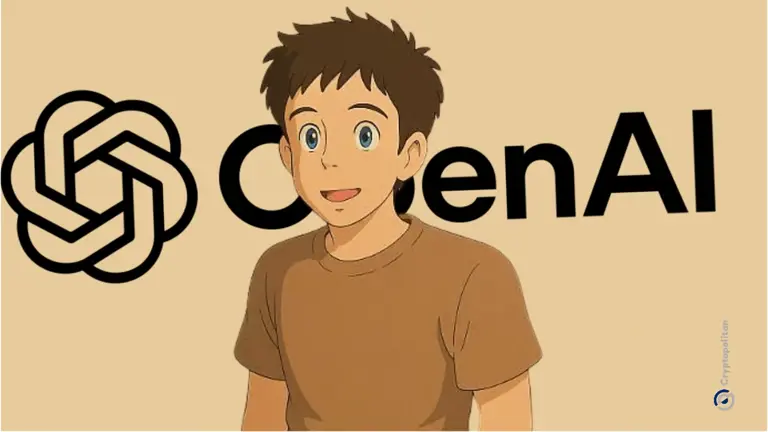
Over the past week or so, something magical has taken over the internet. OpenAI’s latest ChatGPT update, packed with a shiny new image-generation tool, has sparked a global obsession: transforming everyday selfies into enchanting Studio Ghibli-style illustrations. Scroll through Instagram, Reddit, Discord, Facebook, or X, and you’ll see a flood of AI-crafted portraits—couples gazing into each other’s eyes, cherished vacation snapshots, even reimagined historical moments. It’s a delightful trend that’s brought smiles to millions. But as the fun unfolds, a quiet question lingers: is it safe to “Ghiblify” your photos? Some experts are urging us to think twice, and their concerns are worth hearing out.
A Trend That’s Sweeping the World—But at What Cost?
Last week, OpenAI rolled out expanded image-generation features for ChatGPT, letting users dabble in all sorts of artistic styles. Naturally, the Ghibli filter stole the spotlight, turning ordinary snapshots into whimsical anime art reminiscent of Hayao Miyazaki’s timeless films. It’s no surprise that big names like OpenAI’s Sam Altman, Tesla’s Elon Musk, and Ripple Labs’ executives have jumped on the bandwagon, sharing their own Ghibli-fied images on social media. Altman even confessed on X on March 27 that the Ghibli craze pushed their GPUs to the brink, jokingly saying they were “melting” under the demand. The result? A reported 1 million new sign-ups, a win for OpenAI as more users feed the AI’s hunger for data.
It feels safe when everyone’s doing it, right? After all, if the big shots are on board, what could go wrong? But here’s the catch: every upload might be giving OpenAI more than just a fleeting moment of fun. The company thrives on data, and this explosion of interest could come at the expense of our personal privacy. It’s hard to say for sure, but ignoring the possibility feels a bit naive.
Some have taken the trend further, recreating sensitive historical events—like the JFK assassination or the 9/11 attacks—in Ghibli style. Even the White House joined in, posting an AI-twisted version of a tearful woman arrested by ICE. It’s a playful escape for many, and we’re not here to dampen that joy. But tweaking history this way risks opening a door to misuse—think unchecked extremism or distasteful content. It’s a slippery slope that deserves a second thought.
https://t.co/PVdINmsHXs pic.twitter.com/Bw5YUCI2xL
— The White House (@WhiteHouse) March 27, 2025
Is AI Art Stealing More Than Inspiration?
Behind the charm of these animated portraits lies a bigger debate: the ethics of AI-generated art. These models are built by sifting through mountains of online data, much of it copyrighted. Artists and writers are growing vocal about their fears—AI could swipe their livelihoods if it mimics their work after training on it without permission. Ed Newton-Rex, CEO of the nonprofit Fairly Trained, puts it plainly: “Authors and artists are increasingly upset about this large-scale theft.”
Studio Ghibli itself has never greenlit this use of its style. Co-founder Hayao Miyazaki has been vocal about his disdain for AI in art, once calling it an “insult to life itself” in a 2016 interview. The Ghibli filter, then, feels like a direct contradiction to his values. Yet OpenAI seems unbothered, quietly paving the way for more AI recreations of protected styles. It raises a tough question: are we cheering a trend that undermines the very creators we admire?
The Privacy Price of a Ghiblified Selfie
Before you upload that selfie for a Ghibli makeover, pause for a moment. Every photo you share with ChatGPT could be a gift to OpenAI’s data pool. Rachel Tobac, CEO of SocialProof Security, warns that many assume their images vanish after use, but the reality might be different. “If you want to keep ownership of a photo, Ghiblifying it isn’t the safest choice,” she advises. OpenAI might retain and even use those images to refine future models, and opting out isn’t exactly front and center.
Luiza Jarovsky, co-founder of aitechprivacy.com, highlighted this on X on March 29, pointing to Europe’s GDPR laws. Under Article 6.1.a, uploading photos voluntarily counts as consent for OpenAI to process them. “Thousands are handing over their faces and personal photos,” she wrote, giving OpenAI a treasure trove of data to train its AI. So far, OpenAI hasn’t issued a clear statement, though a spokesperson claimed on Monday that they minimize personal data collection and offer tools to delete content or opt out of training. It’s a comforting thought, but the lack of transparency leaves room for doubt.
Are We Handing Over Our Faces Without Knowing?
The Ghibli trend has sparked wild theories online. Some call it “one of the largest covert facial data collection schemes ever,” with billions potentially surrendering biometric data by logging in. A cyber engineer on X countered this, insisting AI doesn’t store images beyond the transformation process and suggesting a quick cache clear for peace of mind. Others shrug it off, comparing it to the risks of cloud storage—fair point, but it doesn’t erase the concern.
If ChatGPT does keep those photos and a breach occurs, imagine the fallout. With image-reversal tech, your personal moments could be splashed across the web. It’s a chilling thought beneath the trend’s cheerful surface.
Ghibli is a massive scam, billions of users have unknowingly logged into their accounts, unintentionally surrendering their facial recognition data to AI-driven systems. These systems can be linked to their profiles, making this potentially one of the largest and most covert…
— Potassium Cyanide (@zippynathan1974) April 2, 2025
AI don’t store image data information as of now so the pictures we use for ghibli or any other transformation is SAFE .
— Juhi Jain (@juhijain199) April 2, 2025
Still clear the cache for safer side.
Also saw many reels saying we can reverse the images so NO AI won’t change ghibli to original image .. #Ghibli pic.twitter.com/fd0k9zVLqR
Is the Fun Worth the Risk?
The “Ghiblified” selfie craze is a burst of creativity, no doubt. But it’s wrapped in layers of copyright worries, ethical dilemmas, and privacy risks. OpenAI’s silence on how it trains these models—or what happens to our data—leaves us guessing. Maybe the joy of seeing yourself as a Ghibli hero is worth it for some. But before you hit upload, take a breath and weigh the cost. Your data’s safety might just be the price of that perfect anime portrait.