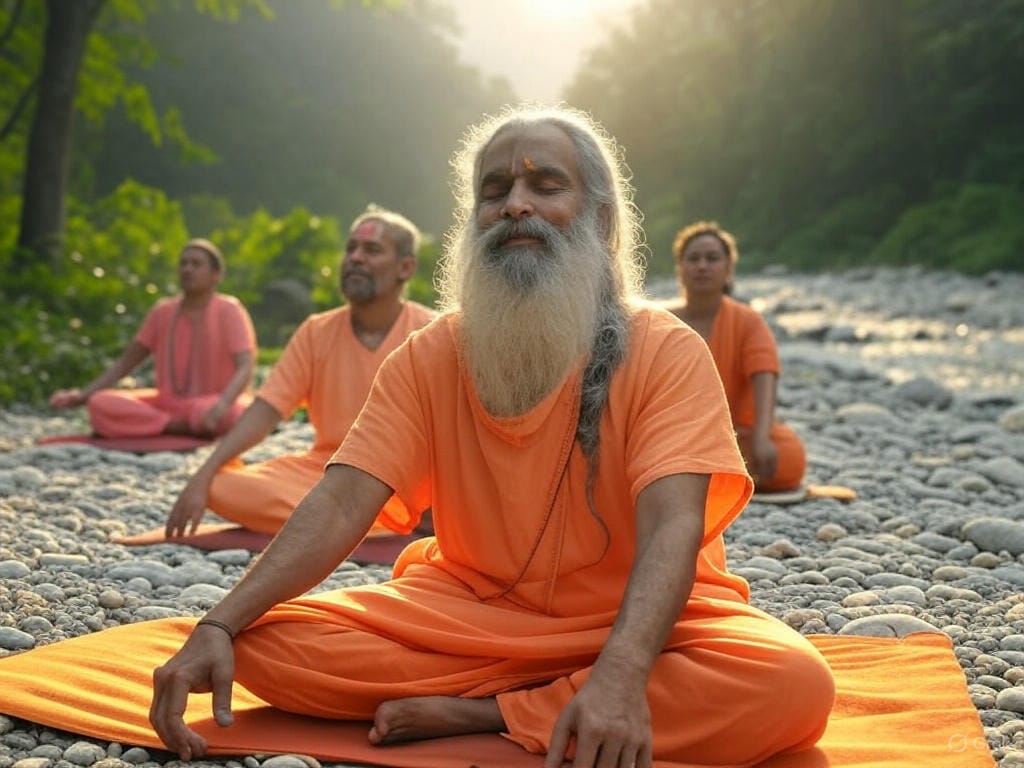
Yoga—a sacred Hindu practice born thousands of years ago in the Indus Valley—has been stretched, twisted, and repackaged into a billion-dollar industry in the West. What began as a spiritual discipline rooted in Hindu philosophy is now a trendy workout, stripped of its soul, with yoga asanas renamed and its origins obscured. From “Downward Dog” to luxe studios raking in cash, the West’s appropriation of yoga isn’t just a makeover—it’s a cultural heist, minting money while erasing its Hindu roots. Let’s unravel this tangled mat and expose how a profound tradition became a plagiarized profit machine.
Yoga’s Sacred Beginnings: A Hindu Legacy
Rewind to 1500 BCE: the Rigveda, one of Hinduism’s oldest texts, whispers of meditative practices that would evolve into yoga. By 500 BCE, the Yoga Sutras of Patanjali codified it—eight limbs weaving breath, posture, and enlightenment into a path to moksha (liberation). Asanas like Surya Namaskar (Sun Salutation) honored Vedic deities, while poses like Tadasana (Mountain Pose) mirrored nature’s stillness. This wasn’t fitness—it was Hindu spirituality, a gift from sages like Shankaracharya, steeped in Sanskrit chants and temple rituals.
For millennia, yoga stayed sacred, passed down by gurus in India’s ashrams. It wasn’t about six-packs or selfies—it was about aligning body and soul with the divine. So how did this Indian tradition end up as “Hot Yoga” in a Los Angeles gym?
The West’s Yoga Takeover: From Swami to Sweat
The West caught yoga fever in the late 19th century when Swami Vivekananda wowed Chicago’s 1893 World Parliament of Religions with Hindu wisdom. By the 1960s, gurus like B.K.S. Iyengar brought yoga asanas to Europe and America, teaching poses with their Sanskrit names—Virabhadrasana (Warrior Pose), Bhujangasana (Cobra Pose)—and their spiritual depth intact. But as yoga hit the mainstream, the West smelled profit.
By 2025, the global yoga industry is a $90 billion juggernaut, per Forbes. Studios from New York to London churn out classes, apps like Calm cash in, and Lululemon sells $100 leggings to match. Yet something’s missing: the Hindu roots. The West didn’t just borrow yoga—it plagiarized it, scrubbing its origins and slapping on a secular sheen to sell to the masses.
Renaming Asanas: Erasing the Sanskrit Soul
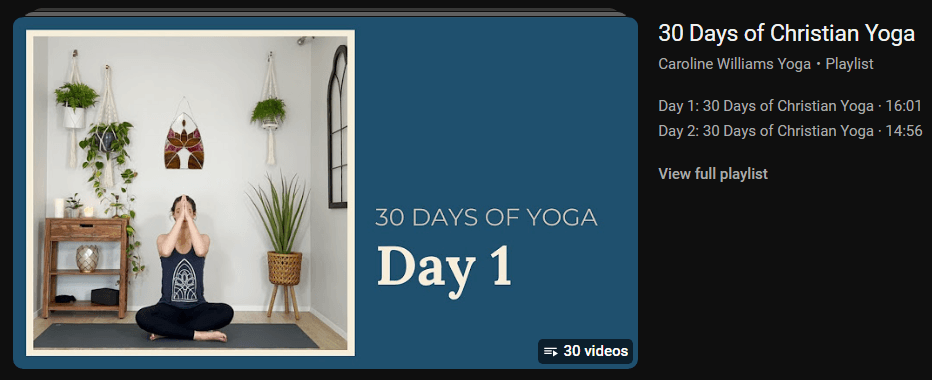
Take a peek at a Western yoga class: “Downward Dog” replaces Adho Mukha Svanasana, “Cat-Cow” swaps out Marjaryasana-Bitilasana, and “Tree Pose” ousts Vrikshasana. These aren’t translations—they’re reinventions. Sanskrit, the language of Hindu scripture, carries cosmic weight—each name ties the pose to mythology or nature. Svanasana honors a dog’s humility; Vrikshasana channels a tree’s strength. But the West dumbs it down, turning sacred terms into cutesy labels for mass appeal.
Why the rename? Profit and palatability. “Sanskrit’s too hard,” argue instructors, per a 2024 Yoga Journal piece, claiming it alienates beginners. Yet this strips yoga of its cultural heritage, leaving a hollow shell. On X, @HinduVoice fumes, “Calling it ‘Warrior’ instead of Virabhadrasana is like calling the Gita ‘Self-Help Book’—it’s theft.” The West’s yoga plagiarism doesn’t just tweak names—it severs their Hindu lifeline.
| Traditional Sanskrit Name | Western Name |
|---|---|
| Adho Mukha Svanasana | Downward Dog |
| Bhujangasana | Cobra Pose |
| Utkatasana | Chair Pose |
| Savasana | Corpse Pose (sometimes called Final Relaxation) |
| Tadasana | Mountain Pose |
| Ardha Chandrasana | Half-Moon Pose |
| Virabhadrasana I, II, III | Warrior I, II, III |
| Balasana | Child’s Pose |
| Paschimottanasana | Seated Forward Bend |
| Setu Bandhasana | Bridge Pose |
| Eka Pada Rajakapotasana | Pigeon Pose |
| Natarajasana | Dancer’s Pose |
| Padmasana | Lotus Pose |
| Ananda Balasana | Happy Baby Pose |
| Vrikshasana | Tree Pose |
| Sirsasana | Headstand |
| Sarvangasana | Shoulder Stand |
| Ustrasana | Camel Pose |
Cashing In: The Appropriation Money Machine
The numbers don’t lie: yoga’s a goldmine. The U.S. alone sees 36 million practitioners spending $16 billion yearly, per the Yoga Alliance. Studios charge $20 a pop for “Power Yoga” or “Goat Yoga”—gimmicks unheard of in Patanjali’s day. Teacher trainings churn out “certified yogis” in weeks for $3,000, no Sanskrit or Hindu philosophy required. Brands like Alo Yoga hawk $200 mats, while influencers flaunt poses on Instagram, raking in sponsorships.
Who’s profiting? Rarely Indian gurus. Western entrepreneurs—think Bikram Choudhury’s $80 million empire (before his fall)—package yoga as a fitness fad, sidelining its Indian tradition. “It’s cultural piracy,” tweeted @SanatanTruth on March 19, 2025. “They take our yoga, erase its roots, and sell it back to us.” Meanwhile, India’s ashrams, where yoga’s taught free or cheap, see pennies by comparison.
Why It’s Not Just “Sharing”—It’s Appropriation
Defenders cry, “Yoga’s universal!” Sure, sharing culture’s fine—Hinduism’s open-armed history proves it. But cultural appropriation kicks in when you pluck a practice, strip its context, and profit without credit. The West doesn’t nod to the Yoga Sutras or chant “Om”—it slaps a trademark on “Vinyasa” and calls it innovation. A 2023 Guardian op-ed notes, “Yoga’s Hindu essence is erased when it’s just a workout.” Unlike fusion cuisine, this isn’t blending—it’s bleaching.
Worse, it mocks the source. Hindu practitioners face “exotic” stereotypes while Western “yogis” get guru status. “They meditate in Malibu but mock our temples,” @IndicSoul posted last week. The Western yoga industry thrives on this double standard, turning a sacred rite into a capitalist caricature.
Reclaiming Yoga’s Hindu Heart
The backlash is brewing. In India, PM Narendra Modi’s 2015 International Yoga Day reclaimed yoga’s roots, with 2025 events pushing Sanskrit and scripture. Activists demand studios credit Hinduism, not “ancient wisdom.” “Call it what it is—Hindu yoga,” urges @BharatRising on X. Some Western teachers, like Seattle’s Priya Rao, now weave Patanjali’s teachings into classes, bucking the trend.
Yoga’s not dead—it’s resilient. But the West’s plagiarism of yoga—renaming asanas, cashing in, and ditching its Hindu spirituality—is a theft of heritage. Next time you strike a pose, ask: whose tradition are you stretching, and who’s really profiting? The mat’s unrolled—the truth’s up to us.